
Technology has quickly woven itself into the fabric of daily living, offering tools to transform how people handle tasks—from brewing coffee in the morning to adjusting lights at night. Automating your lifestyle using smart devices and apps doesn’t just save time; it reduces stress and adds convenience without demanding constant attention. Here’s a closer look at how you can integrate smart tech to make your routine run smoother.
Start with Smart Home Hubs
To kick off automation, a smart home hub acts as your control center. Devices like Amazon Echo, Google Nest Hub, or Apple HomePod connect various gadgets into a central command point. Instead of toggling individual apps, a single voice command or scheduled routine can adjust lighting, play music, lock doors, or manage appliances.
When selecting a hub, compatibility is key. Some work better with specific ecosystems—Apple products with HomeKit, for instance. Be mindful of what other devices you already use or plan to integrate.
Automate the Morning Routine
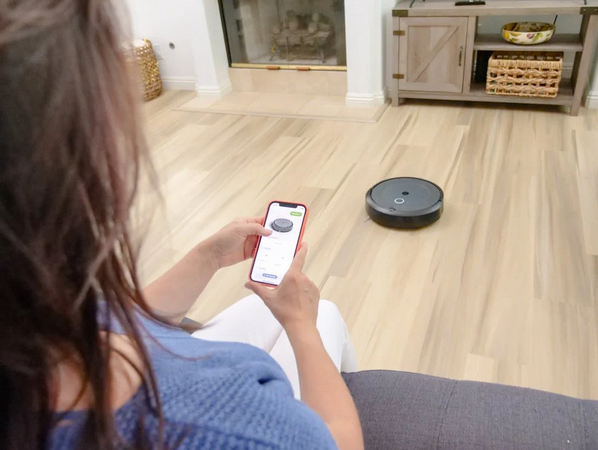
Imagine your lights slowly brightening at 6:30 a.m., the thermostat warming the house, and your coffee brewing—all without lifting a finger. Smart plugs, thermostats like Ecobee or Nest, and programmable coffee machines let this happen.
Use apps like IFTTT (If This Then That) to string together simple logic rules: If it’s 6:30 a.m., then turn on bedroom lights and start the coffee maker. It takes minimal setup and makes mornings less chaotic.
Boost Productivity with Smart Apps
Smartphone automation apps can manage more than just physical devices. Apps such as Tasker (for Android) and Shortcuts (for iOS) allow custom automations on your phone. Set your device to go on silent mode during work hours or automatically send a message when you leave a specific location.
Calendar integration is another powerful option. Sync your schedule with tools like Google Calendar to receive reminders, block distractions, or turn on “Do Not Disturb” mode during meetings.
Save Energy with Intelligent Systems
Energy efficiency and automation go hand in hand. Smart thermostats learn your habits and adjust temperatures accordingly. Motion sensors can control lights, so they turn off when rooms are unoccupied. Smart power strips can shut off standby power to devices not in use.
Apps such as Sense or EnergyHub monitor usage patterns and provide insights into how to reduce waste. These systems not only promote sustainability—they also help lower your utility bills over time.
Secure Your Home Automatically
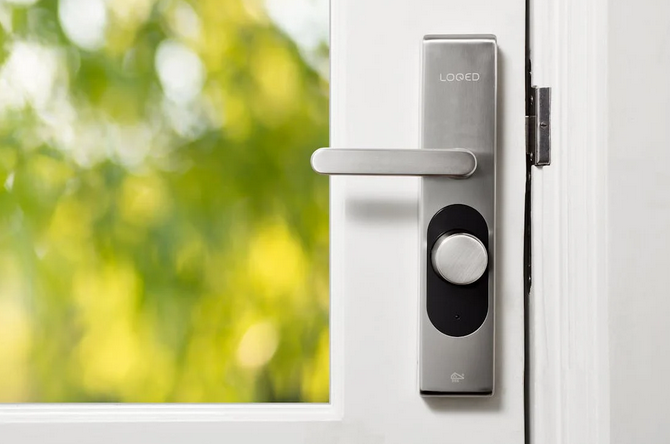
Smart locks, security cameras, and doorbells (like Ring or Arlo) give you control over your home’s safety from anywhere. You can receive notifications if motion is detected, or even set routines to mimic your presence when you’re away by turning lights on and off at random intervals.
Automated security helps protect without needing constant monitoring. Some systems can even trigger alerts based on unusual behavior, adding an extra layer of peace of mind.
Make Errands Easier
Automation doesn’t stop at home. Services like Amazon Subscribe & Save or grocery delivery apps can manage recurring orders. Set schedules for household supplies to arrive regularly, reducing the need to remember every small item. Apps like Todoist and Notion can help categorize tasks, set reminders, and sync across devices, so you never miss a beat—even on busy days.
Integrating smart devices and apps into daily life offers more than simple novelty. It reshapes how time is spent, making space for what truly matters. With thoughtful setup, you can shift from manually managing every detail to having your environment work in harmony with your goals. Whether simplifying mornings, improving home security, or boosting productivity, automation is a valuable ally in modern living.